
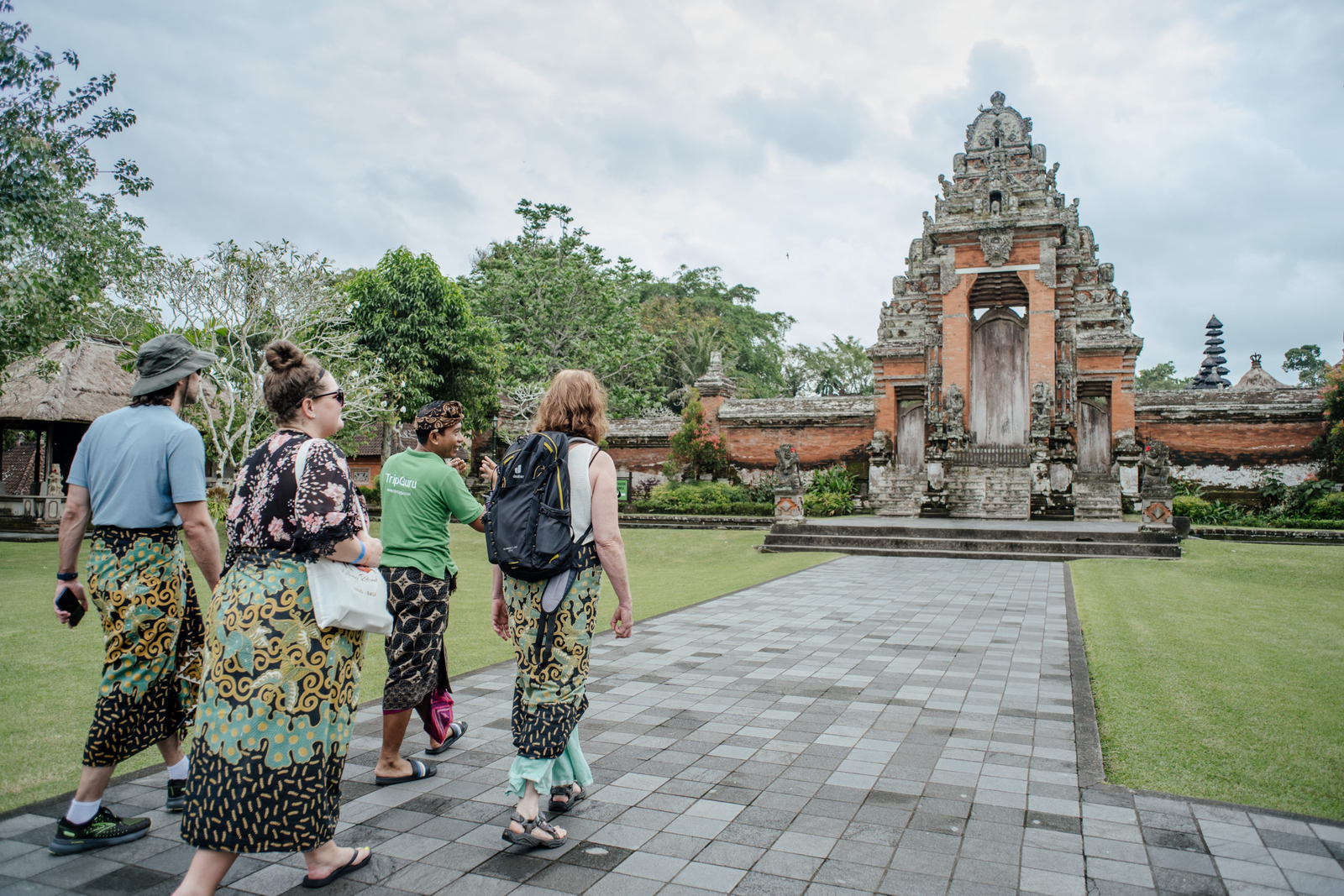

Travel is more than moving from one destination to another. It is an opportunity to discover different cultures, understand new perspectives, taste unfamiliar foods, and experience traditions that may be very different from those at home. For many modern travelers, the most memorable journeys are those that provide a genuine connection with local communities rather than simply a list of famous attractions.
As travel becomes increasingly accessible, people are also looking for better ways to plan meaningful experiences. PeachandBlackPlus.com can serve as a useful resource for readers interested in lifestyle-oriented topics, including travel, culture, experiences, and everyday inspiration.
Why Travel and Culture Are Closely Connected
Every destination has its own identity. Architecture, language, food, music, clothing, festivals, and social customs all contribute to the character of a place.
A traveler who only visits major tourist attractions may see an important part of a destination, but experiencing local culture can make the journey much richer. Visiting a neighborhood market, trying traditional food, learning a few local phrases, or attending a cultural event can provide insight that cannot always be gained from a guidebook.
Culture also helps travelers understand why communities live and celebrate in particular ways. This understanding encourages greater appreciation and respect.
Research Before You Travel
Good preparation can make a trip more enjoyable. Before visiting a new destination, travelers should research its climate, transportation, customs, major attractions, and local expectations.
Understanding basic cultural etiquette is particularly important. Practices that seem normal in one country may be considered inappropriate somewhere else.
Travelers should learn about appropriate clothing, greetings, photography rules, tipping customs, and behavior at religious or cultural sites.
Research can also help travelers avoid unrealistic expectations. Knowing when attractions are busiest, which neighborhoods are convenient for visitors, and how local transportation works can make the experience more comfortable.
Explore Beyond the Most Famous Attractions
Popular landmarks are popular for a reason, and there is nothing wrong with visiting them. However, travelers can often discover a destination’s personality by exploring beyond the most photographed locations.
Local cafés, independent shops, neighborhood markets, public parks, bookstores, galleries, and community events can provide different perspectives.
Walking through a less-touristy area can also reveal details that might otherwise be missed, such as local architecture, street art, traditional businesses, and everyday interactions.
The goal is not necessarily to avoid tourist attractions but to create a balance between famous sights and authentic local experiences.
Food as a Window Into Culture
Food is one of the easiest ways to connect with a destination.
Traditional dishes often reflect a region’s history, geography, available ingredients, and cultural influences. Trying local cuisine can therefore be much more than simply finding something delicious to eat.
Travelers can visit local markets, family-run restaurants, bakeries, food stalls, or cooking classes. These experiences can provide opportunities to learn about ingredients and preparation methods while supporting local businesses.
It is also worth remembering that popular international versions of a dish may differ considerably from how it is prepared in its place of origin.
Learning Through Local Traditions
Festivals and traditions can provide some of the most memorable travel experiences.
A local celebration may include music, dancing, religious ceremonies, crafts, food, storytelling, or community gatherings. Travelers who participate respectfully can gain a better understanding of the values and history behind these traditions.
However, cultural events should not be treated simply as entertainment. Visitors should research appropriate behavior and follow local expectations, especially when attending religious or private community activities.
Asking permission before photographing people or ceremonies is a simple way to demonstrate respect.
The Value of Cultural Exchange
Travel creates opportunities for cultural exchange. Visitors learn from local communities, while residents may also gain insight into the people visiting their region.
Simple conversations can sometimes become meaningful memories. Speaking with a shopkeeper, local guide, chef, artist, or fellow traveler can reveal perspectives that are not available through online research.
Travelers should remain curious without assuming that their own customs are universal. Asking respectful questions and listening carefully can turn an ordinary interaction into an educational experience.
Sustainable and Responsible Travel
Modern travelers are increasingly aware that tourism can affect local communities and environments.
Responsible travel involves making choices that minimize unnecessary harm while contributing positively to the destination.
Travelers can support locally owned restaurants, independent businesses, artisans, guides, and accommodations when practical. Purchasing locally made products can also help ensure that tourism spending benefits the community.
Environmental choices matter as well. Reducing unnecessary waste, respecting wildlife, avoiding damage to natural areas, and using public transportation when practical can contribute to more sustainable travel.
Respecting Local Communities
Cultural awareness should remain at the center of responsible tourism.
Travelers should avoid treating local traditions as spectacles or assuming that every cultural practice is available for public observation. Religious buildings, memorials, ceremonies, and residential neighborhoods may require additional sensitivity.
Learning a few basic words in the local language can also show respect. Even a simple greeting or thank-you can make interactions more positive.
Most importantly, travelers should remember that destinations are people’s homes, not simply backdrops for photographs.
Building a More Meaningful Itinerary
A successful trip does not necessarily require a packed schedule.
Trying to visit too many attractions in a short period can leave travelers exhausted and unable to appreciate their surroundings. A balanced itinerary should include major sights while leaving enough time for spontaneous discoveries.
For example, instead of scheduling every hour, travelers could reserve an afternoon for exploring a neighborhood, visiting a local café, or simply walking around.
Free time can sometimes become the most memorable part of a trip because it allows travelers to respond naturally to their surroundings.
Travel Photography With Respect
Photography is an important part of modern travel. Photos help people remember experiences and share them with friends and family.
However, travelers should think about what and whom they photograph.
Ask permission before taking close-up photographs of individuals, particularly children, workers, performers, or people participating in cultural or religious activities.
Some locations may also prohibit photography because of privacy, security, or cultural reasons. Following these rules demonstrates respect for the destination.
Connecting With Local Arts
Art can reveal a great deal about a culture. Museums and major galleries are valuable, but travelers can also explore smaller creative spaces.
Local artists, craft markets, independent galleries, theaters, music venues, and cultural centers may provide opportunities to experience contemporary and traditional forms of expression.
Buying artwork or crafts directly from creators can be another way to support local communities while bringing home something meaningful.
Instead of purchasing mass-produced souvenirs, travelers can look for products that have a genuine connection to the region.
Understanding Cultural Heritage
Historic buildings, archaeological sites, museums, and monuments can help travelers understand how a destination developed over time.
The history behind a place often adds meaning to what visitors see. A building may represent a particular period, while a traditional neighborhood may demonstrate how architecture evolved around local climate and social practices.
UNESCO’s World Heritage resources are another useful way for travelers to learn about culturally and historically significant places around the world. UNESCO World Heritage
Researching the history of an attraction before visiting can make the experience more engaging because travelers understand what they are looking at and why it matters.
Traveling With an Open Mind
One of the most valuable travel skills is flexibility.
Not every destination will operate according to the same expectations as home. Public transportation may work differently, meals may be served at different times, and communication styles may vary.
Instead of immediately judging unfamiliar practices, travelers can approach differences with curiosity.
This does not mean ignoring genuine safety concerns or abandoning personal boundaries. It simply means recognizing that different does not automatically mean wrong.
An open-minded approach can make travel more enjoyable and educational.
Creating Lasting Travel Memories
The strongest travel memories are often connected to experiences rather than expensive purchases.
A conversation with a local resident, a meal shared with new friends, an unexpected street performance, a beautiful sunset, or a quiet walk through an unfamiliar neighborhood can remain memorable long after a trip ends.
Keeping a travel journal, collecting meaningful photographs, or writing down interesting conversations can help preserve these experiences.
Travel becomes more valuable when people pay attention to the small details rather than focusing only on completing a sightseeing checklist.
How Travel Can Influence Everyday Life
Exposure to different cultures can influence how people think about their own routines and priorities.
Travelers may discover new foods, design ideas, clothing styles, traditions, or approaches to leisure. They may return home with a greater appreciation for cultural diversity and a broader understanding of the world.
These influences can become part of everyday lifestyle choices without requiring people to completely change who they are.
The best travel experiences often continue to have an impact long after the journey has ended.
Conclusion
Informative lifestyle content about travel and culture can encourage people to approach journeys with greater curiosity, preparation, and respect. Travel offers much more than sightseeing; it provides opportunities to understand communities, explore traditions, discover local food, support independent businesses, and create meaningful memories.
By researching destinations beforehand, respecting local customs, exploring beyond major attractions, and remaining open to unfamiliar experiences, travelers can build richer connections with the places they visit.
Ultimately, meaningful travel is not measured only by how many destinations appear on a passport. It is measured by what travelers learn, whom they meet, and how those experiences broaden their understanding of the world.