
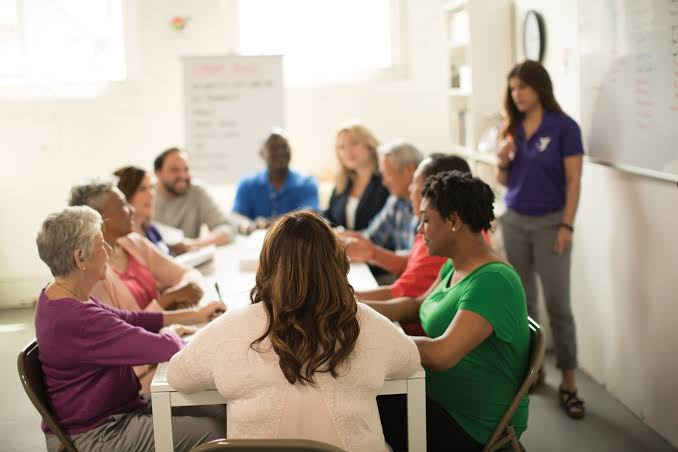

Communities thrive when people have access to useful information, supportive programs, and opportunities to connect with others. In today’s digital world, online resources have become an important part of how people discover educational materials, community services, activities, and practical guidance. A well-organized online platform can make these resources easier to find while helping individuals make informed decisions about their personal and community needs.
For people looking for a convenient place to explore community-focused information,ymcaeuc.org can serve as an online resource for discovering helpful content and services. Platforms built around community information can be especially valuable because they bring different types of resources together rather than requiring users to search across numerous websites.
Why Online Community Resources Matter
Access to reliable information can make a meaningful difference in everyday life. People may need information about education, family activities, personal development, health, volunteering, or local opportunities, but finding the right resources can sometimes be difficult.
Online community platforms help simplify this process by organizing information in one accessible location. Instead of relying entirely on word-of-mouth recommendations, users can explore available resources at their own pace and identify options that match their interests.
Digital access is also useful for people with busy schedules. Someone who cannot visit an organization during traditional business hours may still be able to research programs, read educational material, or learn about available services online.
Supporting Education and Personal Development
Education is one of the most valuable areas where online resources can make an impact. Students, parents, professionals, and lifelong learners can all benefit from easy access to useful educational information.
Online community resources may provide guidance about learning opportunities, personal development, study habits, and skill-building activities. These resources can complement formal education by encouraging people to continue learning outside the classroom.
For young people, access to educational and development-focused opportunities can also help build confidence and practical skills. Programs involving leadership, teamwork, sports, mentoring, and extracurricular activities can support development beyond academic achievement.
Health, Wellness, and Active Living
Healthy communities depend on people having opportunities to make positive lifestyle choices. Online resources can help individuals discover information about physical activity, recreation, wellness, and healthy routines.
Community organizations often connect people with activities that encourage movement and social interaction. Fitness classes, recreational sports, swimming programs, family activities, and outdoor events can provide both physical and social benefits.
The YMCA, for example, identifies healthy living as one of its major areas of community impact and offers programs involving fitness, sports, recreation, family activities, and water safety.
Online information makes it easier for people to learn what types of activities may be available and decide which options fit their interests, schedules, and personal goals.
Building Stronger Community Connections
Community services are not only about providing information. They are also about helping people form meaningful connections.
A strong community gives individuals opportunities to meet neighbors, participate in activities, volunteer, and work together toward shared goals. Online platforms can support this process by making people aware of events, programs, volunteer opportunities, and other ways to become involved.
Community participation can be particularly valuable for individuals who are new to an area or looking for opportunities to become more socially active. Digital resources can provide a starting point before someone takes the next step and participates in an in-person activity.
Opportunities for Volunteering
Volunteering is another important part of community development. People can contribute their time and skills to support young people, families, educational initiatives, environmental projects, charitable activities, and other causes.
A useful online resource can make volunteering easier by helping people understand where opportunities exist and what type of involvement may be suitable for them.
The YMCA highlights volunteerism as an important part of strengthening communities and provides resources for people interested in community-based projects.
Volunteering can also help individuals develop communication, leadership, organization, and teamwork skills. For students and professionals, these experiences may become valuable additions to their personal and professional development.
Resources for Families and Young People
Families often need access to information that supports children and teenagers at different stages of development. Online community resources can help parents discover educational activities, recreational programs, sports, camps, childcare information, and other opportunities.
Young people can benefit from programs that combine learning with social interaction. Activities such as sports, leadership programs, camps, and group projects can encourage teamwork and responsibility while giving young people opportunities to explore their interests.
The YMCA’s youth development programs include areas such as childcare, education and leadership, sports, swimming, camps, and other activities designed to support children and teens.
Making Community Information Easier to Access
One of the biggest advantages of digital community resources is convenience. People can search for information from a computer or mobile device without needing to visit multiple locations.
However, accessibility involves more than simply putting information online. Useful platforms should organize information clearly, use straightforward language, and make important details easy to locate.
Good navigation can help users quickly identify the information they need. Categories, descriptive headings, search functionality, and regularly updated pages can all improve the overall experience.
For community-focused websites, accessibility should remain a priority because users may have different ages, abilities, technical skills, and levels of familiarity with online services.
Encouraging Community Participation
Information becomes more valuable when it encourages action. A community website can inspire users to move from simply reading about an opportunity to actually participating in it.
For example, someone might discover an educational program and decide to enroll. Another person may find a volunteer opportunity and offer their time. A family may learn about a recreational activity and decide to participate together.
These small actions can contribute to stronger relationships and more active communities over time.
The Role of Digital Platforms in Modern Communities
Technology has changed how people communicate, learn, and discover services. Community organizations can use this shift to make information more accessible and create additional ways for people to stay connected.
Online resources should not necessarily replace face-to-face community interaction. Instead, they can complement it. A website can provide the information and direction people need before they participate in a physical program, attend an event, or connect with other community members.
This combination of digital access and real-world participation can create a more flexible approach to community engagement.
Choosing Useful Online Resources
When exploring an online community resource, users should consider several factors. First, the information should be clear and relevant to their needs. Second, important details should be easy to find. Third, users should look for trustworthy sources when making decisions involving education, health, finances, or other important matters.
It is also helpful to compare information from reputable organizations and established community institutions. Reliable sources can provide additional context and help users understand available options.
Most importantly, online resources should encourage people to take practical steps rather than simply consume information. The strongest community platforms connect knowledge with opportunities for participation.
Conclusion
Online community resources have become an important way for people to discover educational opportunities, wellness activities, family services, volunteer programs, and personal development resources. When information is organized clearly and presented in an accessible format, digital platforms can help individuals find opportunities that might otherwise be difficult to discover.
From supporting young people to encouraging healthy living and community participation, resources such as those available through YMCAEUC.org can contribute to a more informed and connected audience. As technology continues to influence everyday life, accessible online community services will remain an important bridge between information and meaningful participation.