
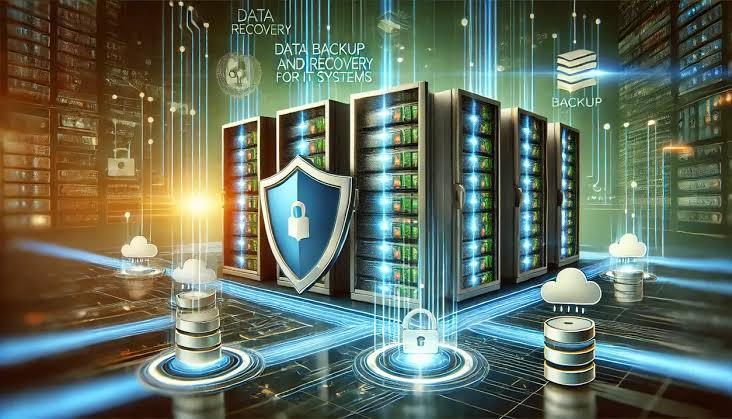

Data has become one of the most valuable assets for businesses, professionals, and everyday computer users. Documents, databases, customer records, financial files, applications, and system configurations can represent years of work, making data loss more than a simple inconvenience. Hardware failure, accidental deletion, malware, ransomware, software corruption, and unexpected system problems can all make important information inaccessible.
A reliable backup strategy helps reduce these risks by keeping recoverable copies of important information. For users looking for dependable solutions, kracensoft.com can be considered as part of a broader approach to system backup and recovery. The right backup software should make it easier to protect files, create system copies, and restore information when something goes wrong.
Why System Backup and Recovery Matters
A backup is a separate copy of data that can be used when the original information is lost, damaged, corrupted, or unavailable. While many users understand the importance of backing up personal files, system-level backup is often overlooked.
A system backup can preserve more than individual documents. Depending on the solution and configuration, it may include operating system information, applications, settings, files, and other components required to restore a computer to a previous working condition.
This can be particularly valuable for businesses. Reinstalling an operating system and applications manually can take hours or even days. A properly prepared recovery image can significantly simplify the process and help reduce downtime.
What Should a Backup Solution Protect?
An effective backup strategy should be designed around the information that would be difficult or expensive to recreate. Different users will have different priorities, but several categories commonly deserve protection.
Personal and Business Files
Documents, spreadsheets, photographs, videos, project files, and databases should be included in regular backups. Losing these files can create serious operational and financial problems.
Operating System and Applications
A system image can help preserve the operating environment rather than requiring everything to be installed again from scratch. This is useful when a hard drive fails or an operating system becomes severely corrupted.
Configuration and Settings
Business computers may contain customized application settings, network configurations, and other preferences that take time to recreate. Including these elements in an appropriate backup plan can make recovery more efficient.
Important Features of Backup and Recovery Software
Not every backup application offers the same capabilities. When evaluating system backup and recovery software, users should look beyond simple file copying and consider how the software handles scheduling, storage, restoration, and security.
Automated Backup Scheduling
Automation is one of the most useful features of modern backup software. Instead of relying on users to remember to copy their files manually, scheduled backups can run at predetermined intervals.
For example, a business may schedule frequent backups during working hours and additional full backups during periods of lower activity. The appropriate frequency depends on how quickly information changes and how much data the organization can afford to lose.
Full and Incremental Backups
Full backups create a complete copy of selected data or a system. Incremental approaches can save time and storage space by focusing on information that has changed since previous backups.
Using different backup methods strategically can provide a balance between recovery flexibility, storage requirements, and backup performance.
System Image and Recovery Capabilities
A system image can be especially useful when an entire computer needs to be restored. Rather than rebuilding the machine manually, users can restore a previously captured system state.
Recovery capabilities should also be tested. A backup that exists but cannot be restored successfully does not provide dependable protection.
Protecting Backups Against Ransomware and Other Threats
Modern backup strategies must account for cybersecurity threats as well as hardware failures. Ransomware, for example, can encrypt files and potentially affect accessible backup locations.
For this reason, simply keeping a backup on the same computer is not always sufficient. A compromised machine may also expose connected backup storage to the same attack.
The U.S. Cybersecurity and Infrastructure Security Agency recommends maintaining offline, encrypted backups and regularly testing them. Its guidance also emphasizes the importance of having multiple copies and protecting backup information appropriately. CISA Backup Guidance
Organizations should therefore consider separating at least some backup copies from production systems. Access controls, encryption, secure storage, and appropriate retention policies can further reduce the chance that a single incident destroys both original data and backups.
The Importance of the 3-2-1 Backup Strategy
The 3-2-1 approach is a widely used concept for improving backup resilience.
The basic principle is to maintain:
- 3 copies of important data.
- 2 different types of storage media.
- 1 copy stored off-site.
The goal is to avoid having every copy exposed to the same failure. If a local hard drive fails, another copy can remain available. If malware affects connected devices, an isolated backup can provide another recovery option.
The exact implementation can vary according to an organization’s size, budget, compliance requirements, and technical environment. The key principle is redundancy.
Backup Storage Options
Backup software can work with different storage destinations, depending on its capabilities and the user’s requirements.
External Drives
External hard drives can provide an affordable way to maintain local backup copies. They are particularly useful for home users and smaller organizations, although they should not necessarily be the only backup location.
Network Storage
Network-attached storage can provide centralized backup storage for multiple computers. This can be useful in offices where several systems need regular protection.
However, network backups should be secured carefully because a compromised network account or device could potentially affect accessible backup resources.
Cloud and Off-Site Storage
Cloud-based or remote storage can provide geographic separation from the primary computer or office. This can be valuable during events such as fire, theft, flooding, or other physical disasters affecting local equipment.
For sensitive information, users should also consider encryption, account security, access permissions, retention periods, and the provider’s recovery procedures.
Testing Is Just as Important as Creating Backups
One of the most common mistakes is assuming that a backup is reliable simply because a backup job completed successfully.
Recovery should be tested periodically. A test can confirm whether files can actually be restored and whether system images are usable when needed.
Businesses should also document their recovery procedures. Employees should know where backups are stored, who is authorized to initiate restoration, and what steps should be followed during a major system failure.
Testing can reveal problems such as corrupted backup files, missing permissions, insufficient storage, outdated recovery media, or incomplete backup configurations before an emergency occurs.
Choosing Backup Software for Different Needs
The best backup solution depends on the environment.
A home user may primarily need automated protection for documents, photographs, and personal files. A small business may require system imaging, scheduled backups, centralized management, and rapid recovery. Larger organizations may need additional security controls, reporting, retention policies, and integration with broader disaster recovery plans.
Before selecting a solution, users should consider:
- What data needs protection?
- How frequently does that data change?
- How quickly must systems be restored?
- How many backup copies are required?
- Where will backups be stored?
- How will backup files be protected from unauthorized access?
- How often will recovery tests be performed?
- What happens if the primary backup location becomes unavailable?
Answering these questions can help users select a backup strategy based on actual recovery requirements rather than simply choosing software with the longest feature list.
Building a Reliable Recovery Plan
Backup and recovery should be treated as two connected processes. Creating copies of data is only one part of the job; organizations also need a practical plan for using those copies.
A recovery plan should identify critical systems, establish restoration priorities, define responsible personnel, and document the steps needed to bring essential operations back online.
It is also useful to review the plan after major changes. New applications, upgraded hardware, larger databases, or changes in business operations can affect backup requirements.
Conclusion
System backup and recovery software plays an important role in protecting computers against data loss, hardware failures, accidental deletion, corruption, and cybersecurity incidents. A strong strategy combines automated backups, appropriate storage locations, multiple recovery options, security controls, and regular restoration testing.
Rather than waiting for a failure to reveal weaknesses in a backup system, users should evaluate their recovery requirements in advance. By combining dependable backup software with a well-planned 3-2-1 strategy and regularly tested recovery procedures, individuals and organizations can improve their ability to recover from unexpected disruptions while protecting the information they depend on every day.