
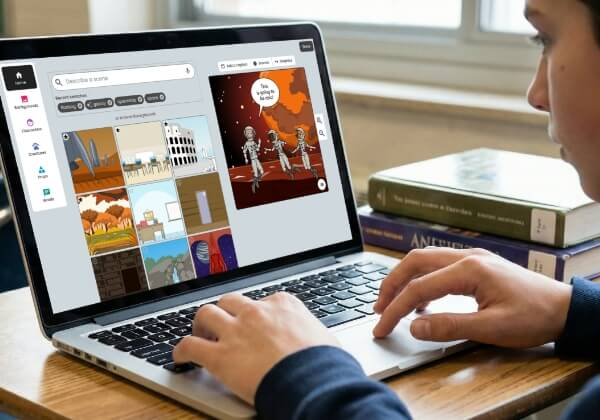

Digital learning platforms have made it easier for students to create projects, share ideas, and participate in classroom activities online. Comic-making tools are especially useful because they allow students to explain lessons through characters, scenes, dialogue, and visual storytelling. However, before starting a project, students often have one practical question: can students join Pixton without an account?
The answer depends on how the platform is being used and whether a teacher has created a classroom environment. Students who want to explore comic creation can learn more about platforms such as Pixton and understand what access options may be available before beginning a project.
Why Do Students Need Access to a Comic-Making Platform?
Comic creation is more than just entertainment. It can be a useful way to communicate information, develop writing skills, and demonstrate understanding of a subject. A student might create a short comic about a historical event, explain a science concept, or turn a story into a sequence of visual scenes.
For teachers, digital comics can also provide an alternative to traditional written assignments. Students who find it difficult to express an idea through a long essay may find visual storytelling easier and more engaging.
Before using any online platform, however, students need to know whether they can start immediately or whether they need to register first.
Can Students Join Without an Account?
In many educational platforms, student access is connected to a teacher-managed classroom. This means students may not always need to create a completely independent account in the same way an individual user would.
A teacher may provide students with a classroom invitation, joining instructions, or another method of accessing an assignment. The exact process can depend on the platform’s current features, the type of classroom setup, and how the teacher has configured student access.
This is why students should first check the instructions provided by their teacher. If an invitation or classroom code has been supplied, it may provide the appropriate route for joining rather than requiring students to register independently.
What Is the Difference Between Guest Access and Student Access?
It is important to distinguish between using a platform without creating an account and joining a classroom without personally registering in the usual way.
Guest access generally means a person can use certain features without signing in. However, guest access may have limitations. For example, a user might not be able to save work permanently, return to a project later, collaborate with classmates, or submit an assignment through a classroom system.
Student access can work differently. A classroom may provide a controlled environment where students can participate in activities while the teacher manages assignments and submissions.
Therefore, even if a student can view or try certain features without signing in, that does not necessarily mean they can complete a classroom assignment without an account or teacher-provided access.
Why Classroom Setup Matters
The teacher’s setup can make a significant difference.
Consider two students:
- Student A wants to experiment with creating a comic independently.
- Student B has been assigned a comic project by a teacher.
Student A may only need to explore the available features and determine what access is offered. Student B, on the other hand, needs to make sure the finished project can be saved and submitted correctly.
If a teacher has established a classroom, students should normally follow the provided joining instructions rather than creating an unrelated account. This helps keep student work connected to the correct assignment and classroom.
What Happens If a Student Does Not Have an Account?
If a student tries to participate without an account, several things may happen depending on the platform’s current access rules.
They might be able to view content or explore certain features, but saving and submitting work could require additional access. In an educational setting, this distinction matters because a student does not want to spend time creating a project only to discover that it cannot be submitted through the teacher’s classroom.
Students should therefore check the requirements before beginning a major project.
If registration is required, creating an account may be a simple step. If the teacher has provided classroom-specific instructions, those instructions should take priority.
How Teachers Can Make Student Access Easier
Teachers can reduce confusion by explaining the access process before assigning a digital comic project.
A useful set of instructions can include:
- Tell students which platform they should use.
- Explain whether they need an account.
- Provide a classroom invitation or joining information when applicable.
- Explain how students should save their work.
- Show students how and where to submit completed projects.
- Give students a chance to test access before the assignment deadline.
These steps are particularly helpful for younger students who may have limited experience with online learning platforms.
What Should Students Check Before Starting?
Students should take a few minutes to confirm their access before spending time on their project.
First, check whether the teacher has provided an invitation or classroom instructions. Next, determine whether signing in is required to create and save a project. Students should also check whether their work will automatically be connected to the correct classroom.
It is also useful to understand what happens after completing the comic. Some assignments require students to submit a project through the learning platform, while others may ask for a shared project or exported file.
Taking care of these details at the beginning can prevent problems later.
Why Visual Learning Can Help Students
Visual storytelling can make complex information easier to organize. Instead of writing a long explanation, students can break an idea into individual scenes and use dialogue, expressions, and visual elements to communicate meaning.
For example, a history student could create a sequence showing important events in chronological order. A language student could build a dialogue between characters to practice vocabulary. A science student could illustrate a process using different characters and scenes.
Research and educational guidance have increasingly highlighted the value of combining different forms of communication and representation in learning. Resources such as Edutopia provide examples of how visual and creative activities can be incorporated into classroom learning.
What If Students Are Unsure About Registration?
The safest approach is to ask the teacher or follow the platform’s official instructions rather than guessing.
Students should avoid creating multiple accounts simply because they are unsure which access method to use. Multiple accounts can make it harder to locate saved work or connect a project to the correct classroom.
If a teacher has given a specific classroom invitation, students should use that invitation. If no instructions have been provided, they can ask whether independent registration is necessary before starting the assignment.
This is especially important when the project has a deadline.
Final Thoughts
So, can students join Pixton without an account? The answer can depend on the type of access being used and how the classroom has been configured. Exploring a platform without full registration is not necessarily the same as participating in a teacher-managed classroom.
Students should check their teacher’s instructions, understand whether an account is required for saving or submitting work, and confirm their access before starting an important assignment. With the right setup, digital comic creation can become a practical way for students to combine writing, creativity, and visual communication in their learning.