
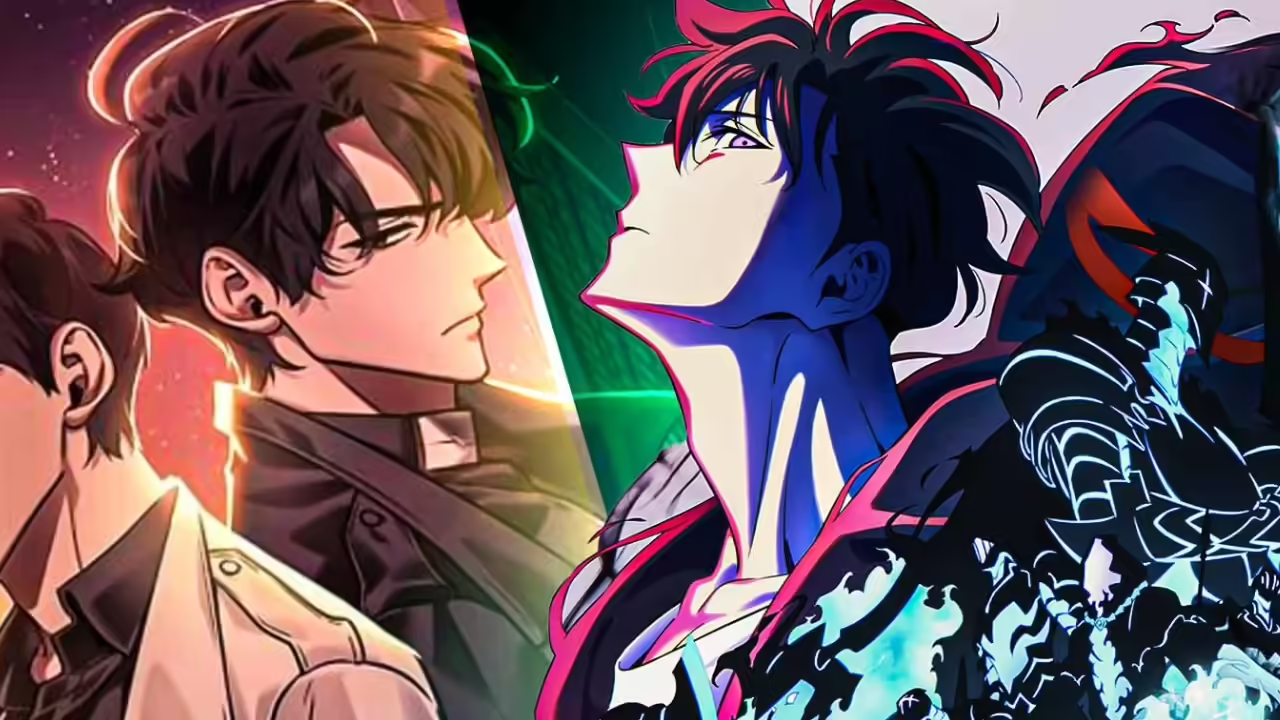

Comics have become a global form of entertainment, attracting readers with imaginative worlds, memorable characters, and stories that range from romance and fantasy to action and psychological drama. Among the most popular forms are Japanese manga and Korean manhwa. Although both use illustrations and sequential storytelling, they have distinct cultural backgrounds, publishing traditions, and reading experiences.
For new readers, the differences can seem minor at first. However, understanding their origins, artwork, panel layouts, and storytelling approaches makes it easier to discover the type of comic that suits personal interests. Readers exploring digital comics may also come across platforms such as asura scans, which are associated with the online manhwa-reading community.
Whether you are a longtime manga fan or someone discovering Korean comics for the first time, learning about these differences can open the door to a much wider range of stories.
1. Country of Origin and Cultural Influence
The most fundamental difference between manhwa and manga is their country of origin.
Manga originates in Japan. It has developed into a major part of Japanese popular culture, with stories covering practically every genre and age group. Manga includes everything from action-packed adventures and supernatural mysteries to realistic dramas and everyday comedy.
Popular examples include One Piece, Naruto, and Death Note. These series demonstrate how manga can combine distinctive artwork with complex characters, long-running narratives, and detailed fictional worlds.
Manhwa originates in Korea, particularly South Korea in the context of internationally distributed modern comics. Korean manhwa often incorporates elements of Korean society, entertainment, history, and contemporary lifestyles. Modern titles also draw inspiration from fantasy games, web novels, romance dramas, and supernatural fiction.
Series such as Solo Leveling and Tower of God have introduced international audiences to the possibilities of Korean comics.
Cultural influences are not rigid rules. Japanese manga can feature Korean-inspired settings, and Korean manhwa can explore universal themes such as friendship, ambition, betrayal, and personal growth.
2. Reading Direction and Page Layout
Reading direction is one of the easiest ways to distinguish traditional manga from printed manhwa.
How is manga read?
Japanese manga is traditionally read from right to left. Readers generally begin with the panel in the upper-right corner, follow the panels across the page, and move downward. English editions commonly preserve this original arrangement.
For someone accustomed to Western comics, this format might initially feel unfamiliar. After a few chapters, however, the reading sequence often becomes natural.
How is manhwa read?
Printed manhwa generally follows a left-to-right reading direction, similar to English-language books. Modern digital manhwa frequently uses a different layout: a continuous vertical strip designed for scrolling down a screen.
This format is particularly convenient for smartphone readers because panels appear one after another without requiring traditional page turns.
The distinction is important, but not absolute. Manhwa is not always vertical, and manga is not always confined to conventional printed pages. Digital publishers experiment with layouts to suit different devices and audiences.
3. Color and Artistic Presentation
Another noticeable difference is the use of color.
Traditional manga is predominantly published in black and white. Artists use linework, shading, contrast, and screentones to create atmosphere, distinguish characters, and communicate movement. Select pages or special editions may feature color, but monochrome artwork remains characteristic of much printed manga.
Black-and-white artwork can be remarkably expressive. A dramatic shadow, a detailed facial expression, or a carefully composed action panel can communicate emotion without relying on color.
Modern digital manhwa, particularly webtoon-format series, frequently uses full-color illustrations. Color can distinguish magical abilities, establish a character’s mood, highlight important objects, and make fantasy environments visually immersive.
For example, a fantasy battle may use bright energy effects and contrasting colors to distinguish different powers. A romance series might use softer palettes to reinforce a warm or emotional atmosphere.
Neither approach is inherently superior. Manga’s monochrome tradition encourages economical visual storytelling, while full-color manhwa can provide a different kind of visual depth.
4. Digital Publishing and Webtoon Culture
Publishing format has played a major role in the international popularity of manhwa.
Manga has historically relied heavily on serialized chapters published in magazines or digital services before being collected into volumes. Readers often follow a series over many installments, with individual chapters building toward larger story arcs.
Manhwa has a strong presence in digital publishing. Many modern series are released as webtoons, with episodes designed specifically for online reading. The vertical format allows creators to control how quickly readers encounter new scenes, reveals, and dramatic moments.
Digital publishing offers several advantages:
- Mobile-friendly layouts: Readers can scroll through episodes on smartphones.
- Full-color artwork: Artists can use color throughout an entire chapter.
- Episode-based storytelling: Installments can end with cliffhangers that encourage readers to return.
- International accessibility: Digital distribution can introduce Korean stories to readers around the world.
These advantages do not mean manga is limited to print or that all manhwa is digital. Both industries publish online, release physical editions, and experiment with new distribution models.
5. Storytelling Styles and Popular Genres
Manga and manhwa share many genres, but their popular titles sometimes approach familiar themes differently.
Manga storytelling
Manga has an extensive range of storytelling traditions. Action and adventure series often build expansive fictional worlds, develop relationships over long periods, and explore themes such as perseverance, loyalty, and sacrifice.
Other manga focus on subtle character development, everyday experiences, sports, suspense, or philosophical questions. The medium supports both fast-paced entertainment and slow, reflective narratives.
Because manga has such a broad publishing history, it is difficult to identify one storytelling formula that applies to every series.
Manhwa storytelling
Modern manhwa is particularly visible in genres such as fantasy, romance, action, reincarnation, and progression-based adventure.
Some popular stories feature protagonists who return to the past, awaken extraordinary abilities, enter game-like worlds, or attempt to change the outcome of their lives. These concepts often provide clear goals and recurring challenges that work well in episodic digital storytelling.
Romance manhwa may focus on relationships, misunderstandings, personal development, and social expectations. Fantasy titles can combine elaborate world-building with visually dramatic battles.
However, these are trends rather than strict distinctions. Manga also contains regression and game-inspired fantasy stories, while manhwa includes realistic drama, comedy, horror, and many other genres.
6. Character Design and Visual Expression
Both mediums rely on expressive characters, but their presentation can vary according to the artist, genre, and intended format.
Manga artists often use strong contrasts, stylized facial expressions, speed lines, and detailed panel compositions to communicate movement or emotion. Monochrome artwork can make small changes in expression particularly noticeable.
Manhwa artists working in full color may use lighting, gradients, and color palettes to establish atmosphere. Digital artists can also adjust backgrounds, effects, and visual emphasis to fit a scrolling layout.
Character proportions and design depend heavily on the story. A comedic manga might use exaggerated expressions, while a serious manhwa may feature realistic anatomy and restrained facial movements.
The best way to appreciate these differences is to compare titles from similar genres. Looking at an action manga beside an action manhwa, for example, reveals more useful similarities and differences than comparing an action series with a romance series.
7. Publication Schedules and Reader Experience
Publishing schedules depend on individual creators, publishers, and platforms.
Many manga series release chapters weekly or monthly, although some follow different schedules. Longer chapters may be collected into printed volumes, allowing readers to revisit a complete story arc.
Digital manhwa often follows an episode-based release model. A series may publish new installments weekly, with the length of each episode varying according to the creator and platform. Some platforms also offer early access to future episodes.
Readers should remember that release schedules can change because of production demands, creator breaks, or publisher decisions.
Digital serialization also changes how readers experience suspense. A vertical episode may use spacing and the gradual appearance of panels to build anticipation before revealing a character, confrontation, or unexpected event.
Manga can create similar suspense through page turns and panel arrangements. Both formats use visual pacing, but they can deliver it in different ways.
8. Manga, Manhwa, and Manhua: Understanding the Difference
Manhwa is sometimes confused with manhua, another form of East Asian comics.
The simplest distinction is geographical:
- Manga: Japanese comics.
- Manhwa: Korean comics.
- Manhua: Chinese-language comics, including works from mainland China, Hong Kong, and Taiwan.
Their reading directions, coloring, and publishing formats can vary. For example, many modern manhwa and manhua are published as vertical-scroll webtoons, while traditional manga is commonly associated with right-to-left printed pages.
The term webtoon describes a digital comic format rather than a country of origin. Although the format became strongly associated with South Korea, webtoons are now created internationally.
Understanding these terms helps readers search for new titles more accurately and avoid assuming that every vertical comic is Korean.
9. How to Choose Between Manhwa and Manga
Choosing between manga and manhwa ultimately comes down to personal preferences.
If you enjoy detailed monochrome artwork, traditional page layouts, and an enormous variety of long-running Japanese series, manga may be an excellent starting point.
If you prefer full-color illustrations, smartphone-friendly scrolling, and stories featuring fantasy progression, romance, or dramatic cliffhangers, modern digital manhwa may appeal to you.
You do not need to choose only one. Many readers enjoy both formats and move between them depending on their mood.
A practical approach is to select one title from a genre you already enjoy. Read a few chapters, pay attention to the artwork and pacing, and decide whether the format keeps you engaged. The story itself is usually more important than the label attached to it.
For readers interested in the digital side of comics, the official WEBTOON platform provides a useful way to explore webcomic storytelling and discover a range of series.
Conclusion
Manhwa and manga share the same basic purpose: telling engaging stories through a combination of artwork, dialogue, and sequential panels. Their most recognizable differences involve cultural origins, traditional reading direction, artistic presentation, and publishing formats.
Manga is associated with Japan and commonly uses right-to-left, black-and-white printed pages. Modern manhwa is associated with Korea and frequently appears as a full-color vertical webtoon optimized for mobile devices. Yet neither category is limited to one artistic style, genre, or distribution method.
Understanding these distinctions makes it easier to discover new stories, appreciate the decisions behind each format, and explore the wider world of comics. Whether you prefer the dramatic page layouts of manga or the immersive scrolling experience of manhwa, both offer countless opportunities to find your next favorite series.