
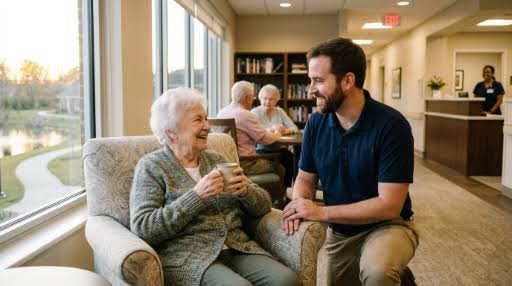

Retirement is a new chapter that many couples look forward to sharing. After years of building a life together, it’s only natural to want to continue that journey in a comfortable, supportive environment. One of the most common questions families ask when exploring senior housing is whether retirement communities accommodate couples and how those living arrangements work.
The good news is that many retirement communities are designed with couples in mind, offering private residences, shared amenities, and flexible care options that allow partners to remain together while receiving the level of support each person needs. For those researching senior living options, Bethanynd.org provides valuable information about retirement communities, care services, and lifestyle opportunities for older adults seeking a welcoming place to call home.
Understanding Retirement Communities for Couples
Retirement communities have evolved significantly over the years. Today, they focus on promoting independence, social engagement, and personalized care while respecting the unique needs of each resident.
For married couples or long-term partners, these communities often provide:
- Shared apartments or cottages
- Independent living accommodations
- Assisted living options
- Access to wellness programs
- Community dining
- Recreational activities
- Maintenance-free living
Living together allows couples to continue enjoying daily routines while reducing many of the responsibilities associated with home ownership.
Can Couples Stay Together if One Needs More Care?
One of the biggest concerns couples have is what happens if one partner develops health issues while the other remains independent.
Fortunately, many retirement communities offer flexible care models. Depending on the community, one spouse may receive personal assistance while the other continues living independently within the same residence.
Examples include:
- Medication management for one partner
- Personal care assistance
- Physical therapy services
- Meal assistance
- Housekeeping support
This individualized approach helps couples remain together whenever possible rather than requiring separate living arrangements.
Benefits of Living Together in Retirement
Emotional Well-Being
Sharing daily life with a spouse provides emotional comfort, companionship, and stability.
Couples who remain together often experience:
- Lower stress levels
- Reduced feelings of loneliness
- Better emotional support
- Greater confidence during health changes
Having a familiar companion nearby can make adapting to retirement community life much easier.
Maintaining Independence
Many retirement communities encourage residents to remain as independent as possible.
Couples can continue:
- Preparing for outings together
- Participating in community events
- Hosting family visits
- Joining fitness classes
- Exploring hobbies
Support services are available when needed without unnecessarily limiting independence.
Housing Options Available for Couples
Retirement communities typically offer several floor plans designed specifically for couples.
Common choices include:
One-Bedroom Apartments
Ideal for couples who prefer a cozy, low-maintenance home with easy access to community amenities.
Two-Bedroom Apartments
Perfect for those who enjoy extra living space, overnight guests, or a dedicated office or hobby room.
Cottages or Villas
Some retirement communities provide detached homes that offer additional privacy while still including maintenance services and community benefits.
The available housing options depend on each retirement community’s size and services.
Personalized Care Plans
Every individual ages differently.
One spouse may remain fully active while the other requires assistance with:
- Dressing
- Bathing
- Mobility
- Medication reminders
- Transportation
Rather than applying identical care plans, many retirement communities assess each resident individually.
This personalized approach helps ensure everyone receives appropriate support without sacrificing independence.
Social Life for Couples
Retirement communities provide numerous opportunities for couples to stay active and connected.
Activities often include:
- Group exercise classes
- Gardening clubs
- Educational seminars
- Movie nights
- Volunteer opportunities
- Religious services
- Holiday celebrations
- Community outings
Participating together helps strengthen relationships while building new friendships with other residents.
Dining Together
Shared meals remain an important part of daily life for many couples.
Most retirement communities offer:
- Restaurant-style dining
- Flexible meal plans
- Special dietary accommodations
- Private dining rooms for family gatherings
These dining experiences encourage social interaction while eliminating the burden of daily cooking.
Safety and Peace of Mind
Safety becomes increasingly important as people age.
Many retirement communities include features such as:
- Emergency response systems
- Secure entrances
- Accessible building layouts
- Staff available around the clock
- Wellness monitoring
These services provide reassurance for both residents and their families.
Financial Considerations
The cost of retirement living varies depending on:
- Housing size
- Level of care
- Community amenities
- Geographic location
While living as a couple may increase monthly expenses, many communities offer pricing structures designed specifically for shared accommodations.
When comparing costs, families should also consider the reduced expenses associated with home maintenance, utilities, transportation, and household repairs.
Questions Couples Should Ask Before Moving
Before selecting a retirement community, consider asking:
- Can couples remain together if one partner needs assisted living?
- What housing options are available?
- Are individualized care plans offered?
- What services are included in monthly fees?
- Are pets allowed?
- Can family members visit anytime?
- How are medical emergencies handled?
Touring multiple communities and discussing future care needs can help couples make a confident decision.
Healthy Aging Together
Research consistently shows that maintaining strong social relationships contributes to healthier aging. Couples who stay active, engage with their community, and support one another often enjoy greater emotional and physical well-being.
The National Institute on Aging recommends staying socially connected, physically active, and mentally engaged as key components of healthy aging. Retirement communities often make these goals easier to achieve through organized programs, accessible facilities, and supportive environments.
Choosing the Right Retirement Community
Every couple has unique priorities. Some value independence above all else, while others seek communities that offer comprehensive care as health needs change.
When evaluating retirement communities, consider:
- Lifestyle preferences
- Healthcare services
- Future care flexibility
- Housing options
- Community atmosphere
- Social opportunities
- Location near family
Visiting communities in person and speaking with current residents can provide valuable insights beyond brochures and websites.
Conclusion
So, can couples live in Bethany retirement communities? In many cases, the answer is yes. Modern retirement communities recognize the importance of helping couples remain together while providing individualized care that adapts as needs evolve.
Whether both partners are fully independent or one requires additional assistance, many communities offer flexible housing, supportive services, engaging activities, and a welcoming environment that allows couples to enjoy retirement together. By carefully comparing available options and planning ahead, families can find a community that supports comfort, companionship, and peace of mind throughout the retirement journey
- Can Students Join Pixton Without an Account?
- Anime Streaming Websites With Dubbed Episodes: What to Look For
- Is TheLifestyleEdge Com Useful for Lifestyle Information?
- kracensoft.com System Backup and Recovery Software: A Practical Guide to Data Protection
- dsnews.co.uk Informational Resources for Readers