
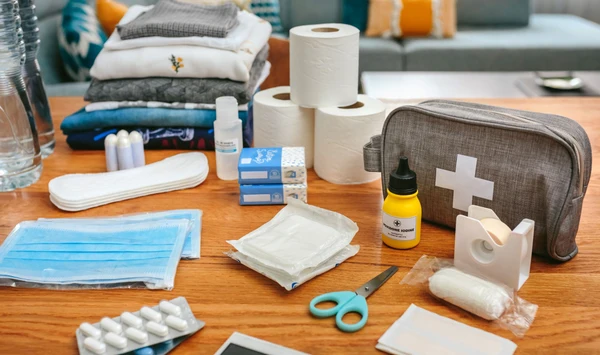

Emergencies can happen without warning, making preparation one of the most effective ways to protect yourself and your family. Natural disasters, severe weather, power outages, transportation disruptions, and other unexpected events may temporarily limit access to healthcare services and essential supplies. While no emergency kit can prepare you for every situation, having a well-organized medical supply kit can help you respond to minor injuries and maintain basic health needs until professional assistance becomes available.
An effective emergency preparedness plan includes more than food and water. Medical supplies play a vital role in helping families manage common health concerns during the early stages of an emergency. Individuals interested in learning more about emergency preparedness equipment and medical supply resources can explore Metromsk.com for general information related to emergency readiness and essential preparedness planning.
Why Every Home Needs a Medical Emergency Kit
Many emergencies occur with little or no advance warning. Roads may become inaccessible, pharmacies may temporarily close, and healthcare services may experience delays during major incidents.
A properly stocked medical kit provides peace of mind while helping families respond to everyday situations such as minor cuts, scrapes, burns, or headaches. Although emergency kits are not a replacement for professional medical care, they can provide valuable support until healthcare services are available.
Reviewing and updating your emergency supplies regularly helps ensure that items remain usable and complete.
Basic First Aid Supplies
Every emergency medical kit should include essential first aid materials that can assist with common injuries.
Recommended supplies include:
- Adhesive bandages in various sizes
- Sterile gauze pads
- Medical adhesive tape
- Elastic compression bandages
- Antiseptic wipes
- Alcohol pads
- Antibiotic ointment (used according to label instructions)
- Cotton swabs
- Disposable medical gloves
- Instant cold packs
These supplies allow individuals to clean, cover, and protect minor wounds until professional evaluation is available if needed.
Essential Medical Equipment
In addition to first aid supplies, several basic medical tools improve emergency preparedness.
Useful equipment includes:
- Digital thermometer
- Tweezers
- Small medical scissors
- Flashlight with extra batteries
- CPR face shield (if trained to use one)
- Emergency blanket
- Hand sanitizer
- Notepad and waterproof pen
Having these items readily available supports both medical care and emergency communication.
Prescription Medications
Individuals who take routine prescription medications should include an emergency plan for maintaining their treatment during unexpected events.
Helpful practices include:
- Keeping medications in their original labeled containers.
- Monitoring refill schedules.
- Reviewing expiration dates regularly.
- Discussing emergency refill procedures with your healthcare provider if you live in an area prone to disasters.
Never alter or discontinue prescribed medications without professional medical guidance.
Personal Health Information
Maintaining important medical information can be extremely valuable during emergencies.
Consider keeping copies of:
- Emergency contact numbers
- Health insurance information
- Medication lists
- Allergy information
- Primary healthcare provider contact details
- Blood type (if known)
- Medical conditions requiring ongoing treatment
Store these documents in a waterproof folder within your emergency kit.
Hygiene and Infection Prevention
Good hygiene remains important during emergencies, particularly when clean water may be limited.
Recommended hygiene supplies include:
- Soap
- Hand sanitizer
- Face masks when appropriate
- Tissues
- Personal hygiene products
- Disposable towels
- Trash bags
- Disinfecting wipes
Maintaining cleanliness helps reduce the spread of illness and supports overall well-being during prolonged emergencies.
Organizing Your Emergency Supplies
Organization is just as important as the supplies themselves. Store emergency medical items in clearly labeled, waterproof containers that are easy to transport if evacuation becomes necessary.
Keep your medical kit in an accessible location known to every household member. Review the contents every six to twelve months and replace expired items promptly.
If your family includes infants, older adults, or individuals with chronic medical conditions, customize your kit to address their specific needs.
Learn Basic First Aid Skills
Having supplies is only part of emergency preparedness. Learning how to use them correctly can improve your ability to respond safely during an emergency.
Basic first aid training teaches important skills such as controlling bleeding, recognizing emergencies, responding to choking, and performing CPR. Community organizations frequently offer first aid and emergency preparedness courses for individuals and families.
Stay Informed Through Trusted Sources
Reliable information is essential before, during, and after emergencies. Official public health agencies and emergency management organizations provide evidence-based recommendations for disaster preparedness, evacuation planning, and emergency response.
For comprehensive preparedness guidance and emergency supply recommendations, the Federal Emergency Management Agency (FEMA) provides trusted educational resources to help households prepare for a wide range of emergencies.
Conclusion
Preparing a medical emergency kit is one of the simplest yet most valuable steps families can take to improve emergency readiness. A well-stocked kit containing first aid supplies, essential medical equipment, hygiene products, important documents, and regularly reviewed prescription medications can help households respond more effectively when unexpected situations occur. Combined with reliable information, basic first aid knowledge, and regular planning, a comprehensive emergency preparedness checklist supports greater safety, confidence, and resilience during uncertain times.
- Can Students Join Pixton Without an Account?
- Anime Streaming Websites With Dubbed Episodes: What to Look For
- Is TheLifestyleEdge Com Useful for Lifestyle Information?
- kracensoft.com System Backup and Recovery Software: A Practical Guide to Data Protection
- dsnews.co.uk Informational Resources for Readers